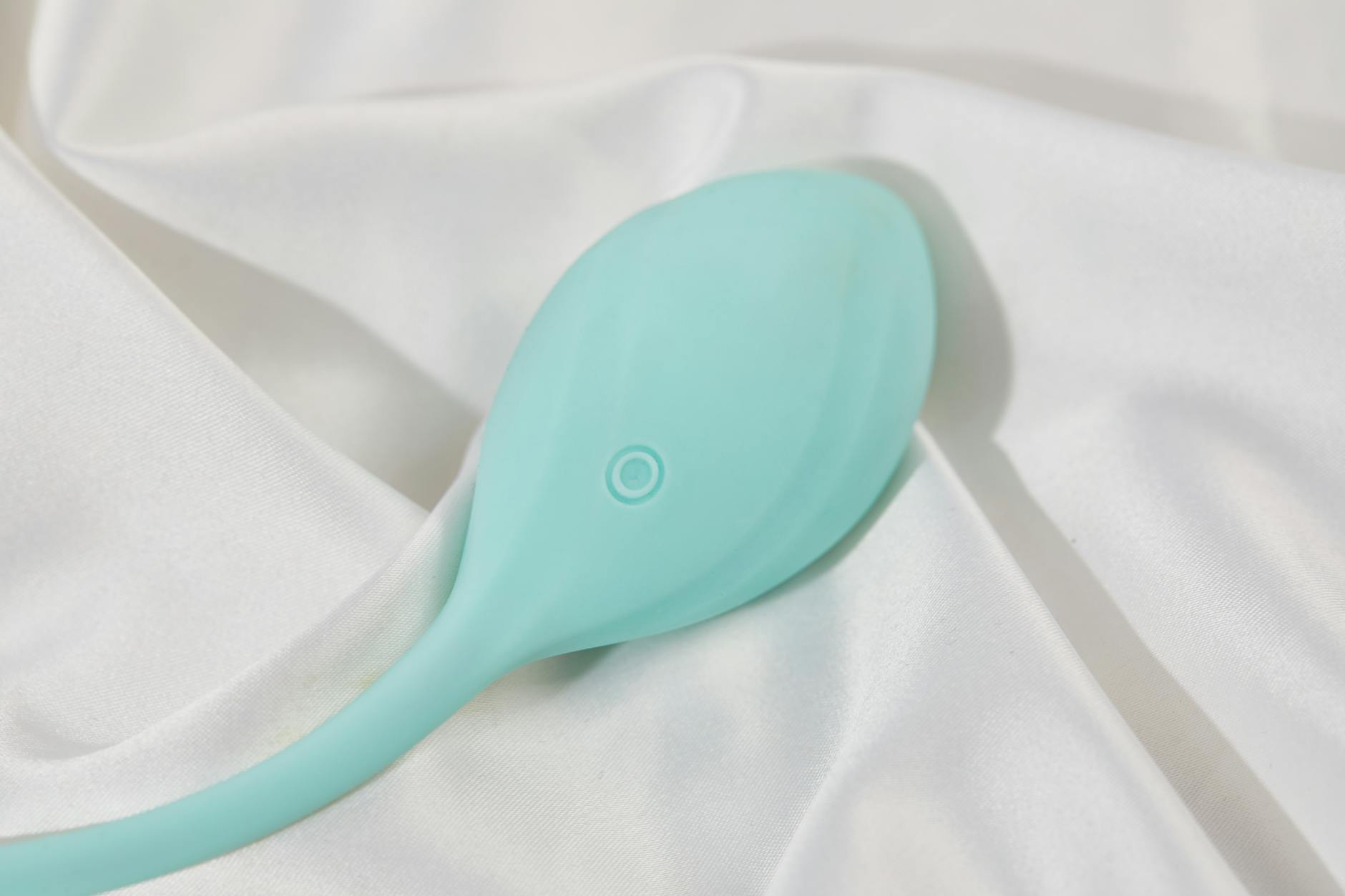
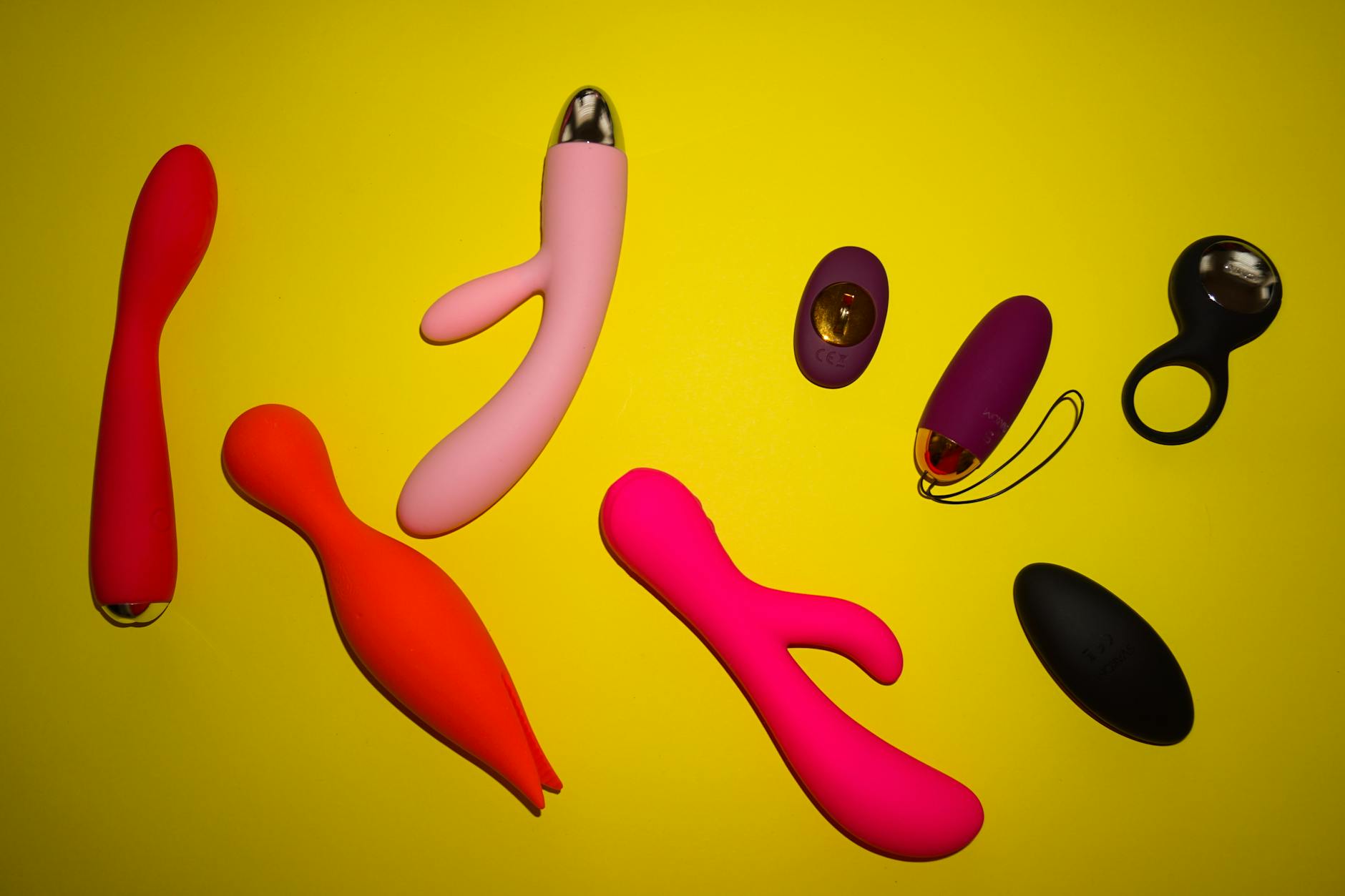
Here's the thing about vaginismus: it's not a character flaw. It's a protective reflex. Your body tightens the pelvic floor muscles in response to anxiety, trauma, or even just the anticipation of pain. That response made sense once. Now it's blocking pleasure.
Lemon clitoral vibrators change the equation by offering stimulation that completely sidesteps the tightening reflex. They're not asking your body to do something it fears. They're rewiring what pleasure feels like without the threat.
Vaginismus is involuntary muscle tension. When someone with a vulva has this condition, the vaginal opening's muscles contract automatically, making penetration difficult, painful, or impossible. It's not psychological weakness. It's a valid trauma response or anxiety pattern that your nervous system has learned to protect you with.
The problem: once the reflex is in place, it doesn't disappear just because you intellectually understand that penetration is safe now. Your body didn't get the memo.
Most treatment approaches focus on gradually retraining the muscles through dilators, therapy, or pelvic floor physical therapy. Those methods work for many people. But they all require something your nervous system might not be ready for: the idea of internal stimulation.
Lemon vibrators approach this differently. They bypass the whole thing.
The clitoris has about 8,000 nerve endings concentrated in an area smaller than a pencil eraser. When you apply focused suction or vibration there, the pleasure signal is so strong and so direct that it overrides the anxiety signal. Your brain can't be in two places at once.
This is called sensory gating. When a strong signal comes through one pathway, it dampens signals through others. Lemon vibrators create a strong enough pleasure signal that the fear reflex quiets down.
Meanwhile, you're not asking the vaginal muscles to do anything. They're not being challenged. They're not being threatened. They're just... not involved. Over time, as your brain learns that pleasure is possible without triggering tension, the anxiety around penetration itself starts to soften.
You're building new neural pathways. The old "penetration equals pain" loop loses its grip.
Traditional vibrators vibrate. Lemon clitoral vibrators use suction. That distinction matters here.
Vibration can still feel like stimulation that's toward the vaginal opening. For someone with vaginismus, that proximity alone can trigger the reflex. Suction feels entirely different. It's a pulling sensation, a rhythmic drawing that concentrates stimulation on the clitoris itself, away from any part of the body that might feel threat-adjacent.
The patterns on a lemon vibrator (typically 3-10 different suction sequences) also let you choose exactly how much intensity you want. You can start at pattern 1, which feels almost gentle, barely noticeable. That low entry point matters if your body is still in protective mode.
As you feel safe with one pattern, you move to the next. You're in control of escalation, not asking your body to take a leap.
One of the cruelest parts of vaginismus is that it steals pleasure alongside function. Even clitoral orgasms can feel blocked or incomplete if your pelvic floor is braced in anticipation of pain.
When you use a lemon vibrator for pleasure without any pressure around penetration, something shifts. Your body learns that you can have an orgasm. Your muscles can relax. Sensation feels good.
Then you have another one. And another.
Over time, your baseline anxiety about your vulva and its function drops. Not because you're forcing yourself through exposure, but because you're genuinely experiencing pleasure. The body believes the evidence of positive experience much faster than it believes reassuring words.
For many of my clients with vaginismus, regular use of a clitoral vibrator is the entry point to all other treatment. It's the proof of concept that pleasure is possible. That shifts everything.
Vaginismus often has an anxiety or trauma component. Your nervous system is stuck in a protective state. Genuine pleasure signals help regulate that system back down.
When you orgasm, your body releases oxytocin, dopamine, and endorphins. These aren't just nice chemicals. They're anti-anxiety agents. They're the opposite of threat response. Regular pleasure experiences literally retrain your vagal tone and your nervous system's baseline.
For someone with vaginismus, this is repair. Not forcing the body to do something it fears, but giving it the chemical and neurological experience of safety through pleasure.
Lemon clitoral vibrators are powerful tools, but they're not a replacement for pelvic floor physical therapy or trauma-informed therapy. If vaginismus is connected to sexual trauma, that needs direct processing. If it's connected to generalized anxiety, breathing work and possibly medication might be part of the picture.
What a lemon vibrator does is create a low-pressure, high-reward entry point. It gives you evidence that pleasure is available. It gives your nervous system proof that your body can feel good.
Then you layer that foundation with professional support. You work with a pelvic floor physical therapist who understands that your muscles are protecting you, not failing you. You might see a trauma-informed therapist. You build a toolkit.
The vibrator isn't the whole toolkit. But it's often the piece that makes the other pieces feel worth doing.
If you have a partner, this part matters. Vaginismus can make partners feel rejected or confused. It can make you feel broken or like you're failing them.
Honestly? The most useful conversation is a direct one: "My body is protecting itself from pain. Using a clitoral vibrator helps me rewire that response. I'm doing this for me, and it's also helping us both." You're not asking for patience while you fix yourself. You're describing a process that's actually working.
Many partners find that witnessing their partner have genuine pleasure, independent of penetration, shifts something in them too. The pressure lifts. Sex stops being about one specific act and becomes about mutual pleasure.
For some couples, partner-assisted clitoral vibrator use becomes part of intimacy before any other kinds of touch happen. That can be deeply connecting.
Begin at the lowest setting. Spend time just getting familiar with how it feels against your vulva in a relaxed context. You're not trying to orgasm. You're learning.
If you feel any sense of panic or extreme tension, stop. You're not pushing through vaginismus with a vibrator. You're gently introducing pleasure signals. The relaxation has to come first.
Many people with vaginismus find that solo exploration with a lemon clitoral vibrator is less anxiety-triggering than partnered sex. There's no performance pressure. No fear of disappointing someone. Just your body, sensation, and time.
Over weeks and months, the anxiety quiets. Pleasure becomes possible. The protective reflex loosens its grip.
Vaginismus doesn't vanish overnight. But it does shift when you give your nervous system consistent evidence that pleasure is safe and available. Lemon clitoral vibrators provide that evidence, again and again, in a format that doesn't ask your body to do the thing it fears.
You're not forcing. You're rewiring. That's the difference.
Not if you're using it without pressure. If you start at a low intensity and stop the moment you feel tension or panic, you're actually teaching your nervous system that you can control stimulation. The key is consent at every level. Your body is in charge, not the device.
Start with 2-3 times per week for about 10 minutes. Consistency matters more than intensity. Regular, low-pressure pleasure exposure rewires your nervous system faster than occasional intense sessions. Think of it as gentle exposure therapy for pleasure, not punishment.
It can be part of that path. By rebuilding your nervous system's response to pleasure and reducing overall pelvic floor tension, clitoral vibrators often make the transition to penetration feel less threatening. But it's not a cure-all. You might also need pelvic floor physical therapy, or work with a sex therapist who specializes in vaginismus. The vibrator is a tool in a larger toolkit.
Completely normal. If your nervous system is in hypervigilance or protective mode, sensation might feel muted at first. Start at the absolute lowest setting and give yourself permission to feel nothing. Over time, as your system learns it's safe, sensation will increase. There's no race here.
That depends on your relationship and your comfort level. If you have a supportive partner, knowing what you're doing and why can reduce pressure and increase intimacy. If your relationship is shaky or your partner might use it against you, you don't owe that disclosure. Your healing comes first.
Ask your PT, but usually yes. Some therapists actually recommend vibrator use as part of home practice. It continues the gentle, positive signal work they're doing. Just make sure the timing and intensity feel right for your body on that day.
Vaginismus is real. The fear and tension are real. So is the possibility of rebuilding pleasure on terms your nervous system can handle. Lemon clitoral vibrators aren't a magic fix, but they're a powerful entry point.
You deserve to feel pleasure in your body. Not someday, not after you've fixed yourself, but starting now, in whatever way feels safe. That's where this starts.