Here's the thing about couples and sensitivity
One of you probably likes intense stimulation. The other probably doesn't. And right now, you're negotiating pleasure like you're splitting the dinner bill. That's exhausting and honestly, nobody wins.
Couples
One partner wants gentler stimulation, the other needs intensity. A lemon suction vibrator lets both of you get what you actually need without awkward compromises.
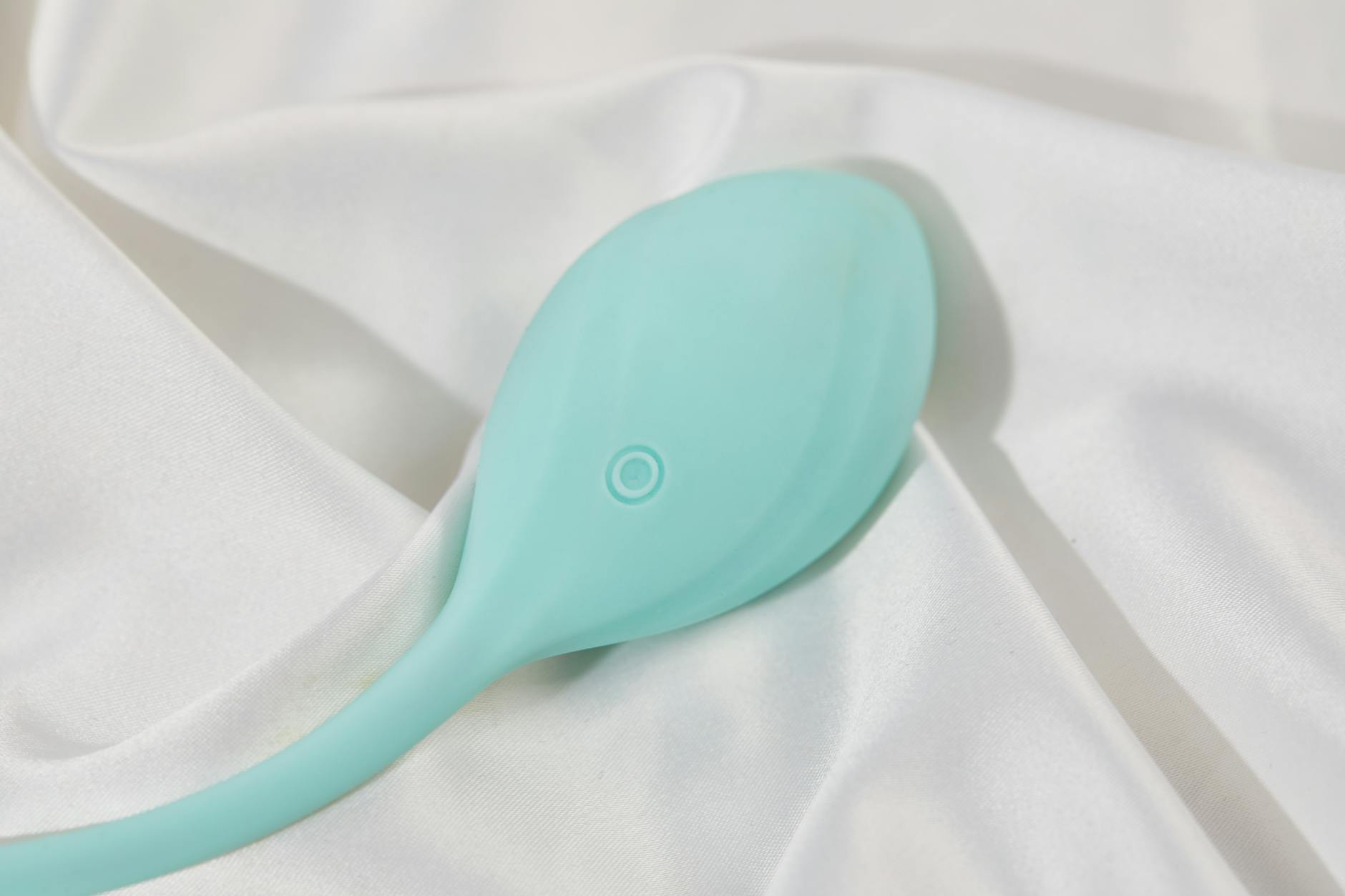
One of you probably likes intense stimulation. The other probably doesn't. And right now, you're negotiating pleasure like you're splitting the dinner bill. That's exhausting and honestly, nobody wins.
The reason lemon vibrators work so much better for mismatched sensitivity is that they're not about force. They're about suction, which means adjustment is built into how they work. You're not choosing between "too much" and "not enough." You're choosing the right amount.
Most vibrators operate on one principle: oscillation. The motor inside moves back and forth at a fixed frequency. If you want less sensation, you either have to use a lower speed (which might be too weak for your partner) or you both compromise at a middle setting nobody really loves.
Here's what happens in practice. One partner says "that's too much" and the other gets frustrated because they finally have something that works for them. The toy ends up in the drawer. Nobody's problem is solved.
With a standard vibrator, your choices are basically "on" or "off," with maybe three speed settings in between. If you're sensitive, speed two feels okay. If your partner needs more, speed three is still not quite enough, and speed four is painful for you. You're stuck in a dead zone.
Clitoral vibrators also create vibration fatigue differently for different bodies. Some clitorises go numb fast with buzzing. Others feel like they're barely awake without it. This isn't a preference thing. It's tissue-specific.
A lemon clitoral vibrator works through suction combined with gentle vibration. That's important because suction stimulates a much larger area of nerve tissue than direct vibration alone.
Instead of hammering one spot, suction creates a gentle vacuum that pulls the clitoral tissue upward and stimulates nerves across the whole external anatomy. The vibration amplifies that, but it's working on tissue that's already engaged.
For you and your partner, this means something radical: you can both get what you need at the same intensity level.
Say one of you is sensitive. You use the lemon sucker at pattern one with light contact. The suction does 70% of the work, vibration does 30%. You get plenty of sensation without overwhelm.
Your partner needs more intensity. They use the same toy at pattern three or four with more direct contact. Now vibration carries more of the load, and the added intensity from the pattern variation meets them where they are.
Same toy. Different experiences. Both satisfied.
A quality lemon vibrator has multiple patterns, not just speed levels. This matters way more for mismatched couples than people realize.
A pattern isn't stronger or weaker. It's a different rhythm. Some patterns are staccato. Some are pulsing waves. Some build and release. What feels overwhelming at one pattern might feel perfect at another, even at the same intensity level.
When you and your partner explore together, you can spend ten minutes finding a pattern that works for both of you. You're not compromising on strength. You're just shifting the rhythm. And often, you'll find that a less intense speed with the right pattern beats a faster speed with the wrong one.
This is where understanding the physiology helps, because then you don't take the sensitivity difference personally.
Clitoral sensitivity is partly about nerve density, which varies wildly between bodies. It's also about tissue thickness and blood flow. Hormonal cycles change sensitivity week to week for the same person. Stress, medication, caffeine, hydration—all of it shifts how much sensation you register.
Some people also have a genetically higher pleasure threshold. They need more input to feel stimulated. Others have a lower threshold and actually feel pain if input is too strong. Neither version is wrong. They're just different operating systems.
When you're using a lemon vibrator together, you're not trying to make your partner feel what you feel. You're giving each system what it actually needs.
Start with exploration, not performance. Put the toy on a low pattern without making it about orgasm. One partner tries it first while the other watches and asks questions. What does this feel like? Too much? Not enough? Does the suction feel different than vibration alone?
Then switch. Let the other partner experience it without pressure.
Once you both know how the toy feels, you have two options. You can use it together at the same time (taking turns with it, or using it during partnered sex in whatever way makes sense for your bodies). Or you can use it separately when you have different needs.
Separate use isn't selfish or sad. It's realistic. Sometimes one of you has energy and arousal ready to go, and the other doesn't. A lemon vibrator lets the person who's ready take 15 minutes and come back satisfied, while the other person is just beginning to warm up. Then you have sex together without one person faking it or one person frustrated.
The best time to talk about sensitivity differences is not during sex. It's before.
Instead of "you need something different" (which sounds like criticism), try "I want to figure out what actually works for both of us." Then show them a lemon vibrator. Say "This one works through suction instead of just speed, which means it can feel really different depending on how you use it. Want to explore?"
Make it collaborative. This isn't about fixing anyone. It's about both of you getting more pleasure with less guesswork.
Here's something couples don't talk about enough. When you know your partner actually enjoys what you're doing, you relax. You're not performing. You're not watching them and wondering if they're faking it.
Using a lemon vibrator together removes so much performance pressure because the feedback is clear. The person using it can literally tell you what feels good. "More pattern, less speed." "Hold it steady here." "This one." You get real information instead of trying to read their face.
That clarity actually makes partnered sex better overall, even without the toy.
If you're a couple with different sensitivity levels, solo exploration is your friend.
When you know how your own body responds to the toy in private, you bring that knowledge to partnered time. You're not discovering your preferences live during sex. You already know what works. That confidence is sexy and makes everything flow faster.
A lemon clitoral vibrator is small enough that both of you can own one, or you can share and take turns learning. Either way, the self-knowledge you build helps your partnership.
Clitoral sensitivity varies based on nerve density, tissue thickness, hormonal fluctuation, stress levels, and medications. Higher sensitivity isn't better or worse. It just means you need less input to feel stimulated. A lemon vibrator with adjustable patterns lets you both get what you need without either of you being frustrated.
Absolutely. You can use it as foreplay until both of you are equally aroused, then move into partnered sex. Or you can integrate it during penetration if that works for your bodies. The key is communication. Talk about what you both want before you start, not during.
Try the lowest pattern on a lemon vibrator with barely any pressure. Suction does most of the work, so even a very gentle touch can create sensation. You might also find that certain patterns feel less intense than others. Experiment. If vibration itself is overwhelming, you could also use the suction without the vibration by turning it off, though the vibration is really where the adjustment magic happens.
Frame it as collaboration, not correction. "I want us both to actually enjoy this" is different than "you're too sensitive" or "you don't feel anything." Bring a lemon vibrator into the conversation as a tool, not a solution to a problem. Make it about exploration and pleasure, not fixing anyone.
No. Some bodies need more input. It's biology, not a sign that they're broken or that your sex is bad. The weird part is pretending the difference doesn't exist. Once you acknowledge it and find a tool that works for both of you, everything gets easier.
Yes. Stress, medication changes, hormonal shifts, aging, and even relationship dynamics affect sensitivity. What worked three years ago might feel different now. That's why communication stays important. A lemon vibrator gives you a way to adjust together as both of you change.
When couples have mismatched sensitivity, the default assumption is usually that one person is "too much" and the other is "not enough." That framing makes it a problem to solve, when really it's just information.
A lemon suction vibrator reframes the whole thing. It's not about making your partner more or less sensitive. It's about giving each of you the adjustment tools you need to both feel good.
That changes how you show up in bed together. You're not negotiating. You're not faking. You're both actually getting pleasure, which means you both want to come back for more. That's how you build a sex life that sustains long-term partnership.
Start the conversation. Bring the toy. See what happens when you both get to say "yes, that works for me." That's the whole game right there.