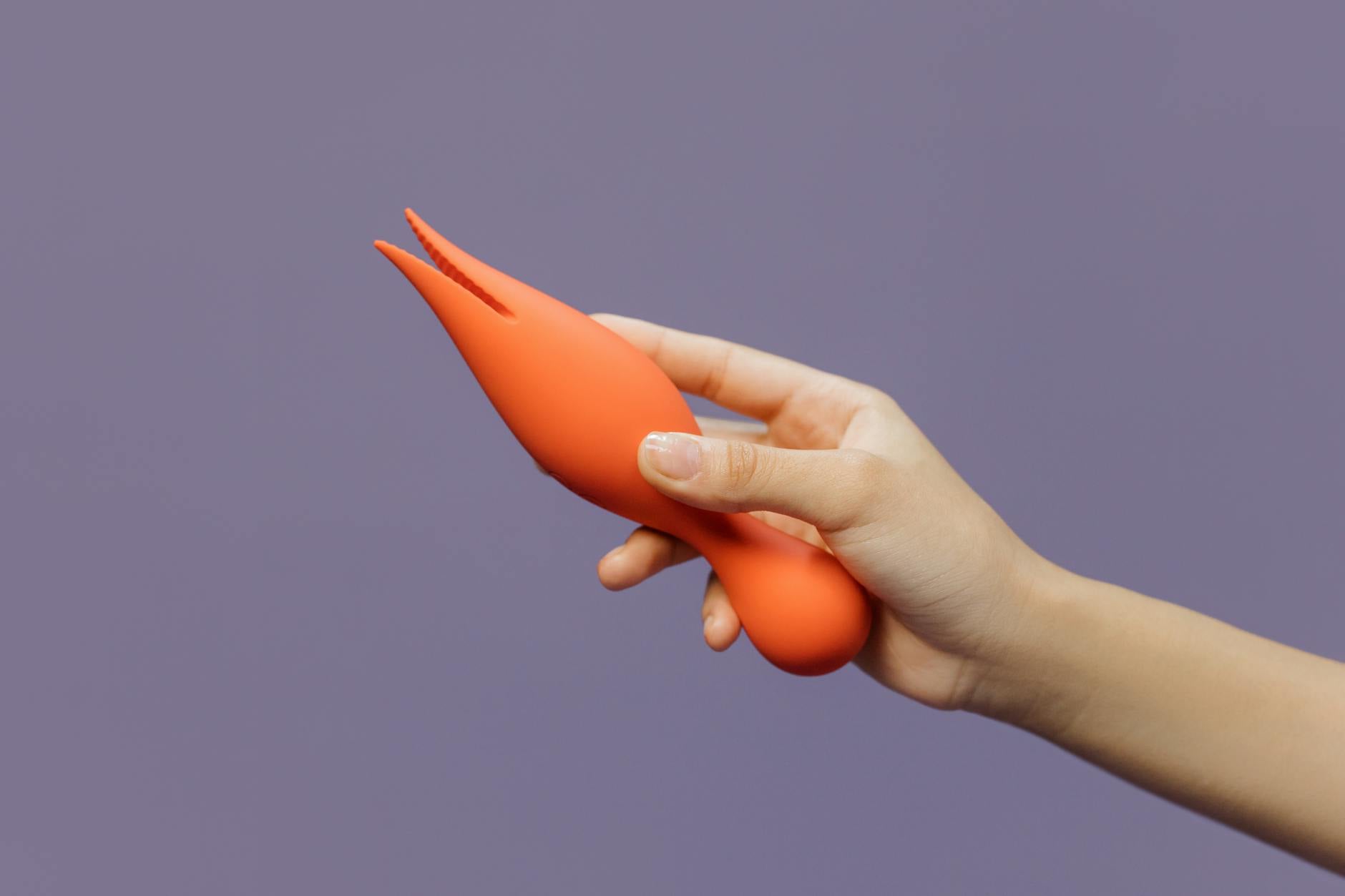
Hormonal birth control doesn't just prevent pregnancy. It rewires your entire sexual response system. When you switch from the pill, patch, or ring to a copper IUD, barrier methods, or fertility tracking, your body doesn't just go back to normal. It goes to a version of normal you might not recognize anymore.
I work with a lot of clients who make this switch and feel shocked by how differently their bodies respond to pleasure, how quickly they want sex, or how a toy like the Lem vibrator that worked fine for years suddenly feels way more intense. That's not you being broken. That's your nervous system and hormonal baseline actually changing.
The pill, patch, and ring all suppress ovulation by keeping hormone levels steady and artificially low. That stability flattens arousal patterns. Your libido becomes more consistent across the month, but also more muted. Many people on hormonal birth control report lower overall desire, less intense orgasms, or a kind of emotional flatness during sex.
This isn't a side effect you should feel ashamed about. It's a tradeoff. You get consistent contraception in exchange for a flattened sexual response.
When you switch to non-hormonal methods, those hormones leave your system. If you move to a copper IUD, you're removing synthetic estrogen and progestin entirely. Suddenly, your testosterone and natural progesterone fluctuate again. Your dopamine dips and spikes. Your nervous system starts cycling through arousal phases again instead of holding steady.
Three physiological things shift when you come off hormonal birth control:
1. Tissue thickness and sensitivity. Synthetic hormones thin the vaginal tissue slightly and can dull nerve sensitivity over time. When you stop taking them, that tissue plumps back up, blood flow increases, and nerve endings wake up. A toy like the Lem that felt moderate before might feel intense now. Your clitoris becomes more reactive to suction and stimulation.
2. Lubrication timing changes. On hormonal contraception, your natural lubrication is consistent but often reduced. Off it, you get cyclical lubrication that peaks around ovulation. Your body is preparing for actual fertility, which means more fluid, more readiness, more tactile sensation. Dryness that plagued you on the pill might vanish.
3. Arousal builds faster and more dramatically. Hormonal contraception smooths out your arousal curve. Off it, arousal spikes fast, peaks sharply, and can feel overwhelming. Some people describe this as a return to intensity they hadn't felt since their early twenties. Others find it destabilizing. Both are real.
A copper IUD is a specific kind of non-hormonal. It doesn't release hormones into your bloodstream at all, which means your natural cycle completely reasserts itself immediately. Most people feel this shift within 1-2 weeks.
Copper IUDs can cause heavier periods and more cramping, which is worth noting because menstrual cycle intensity directly affects clitoral sensitivity. During your period, your clitoris is more engorged and more responsive. If your period becomes heavier, that window of heightened sensation expands.
Barrier methods like condoms or diaphragms don't change your hormones at all, so the adjustment is purely psychological. Fertility awareness methods? They require you to track your cycle, which means you become hyperaware of when you're fertile, when you're ovulating, when your desire spikes. That attention itself changes sensation.
One of the biggest surprises for people transitioning off hormonal birth control is that their arousal stops being constant. On the pill, you can want sex on a Tuesday the same way you want it on a Friday. Off it, your desire might be nearly zero for 10 days, then suddenly intense for 3.
This isn't abnormal. This is your natural cycle coming back online.
For some people, this is liberating. They get to feel the cyclical nature of desire again, and lemon vibrators or other toys become tools they reach for at specific times in their cycle. For others, it's confusing because they've spent years on a constant hormone level and don't know what their baseline arousal actually is.
If you're using a clitoral vibrator like the Lem, you might notice you need it more during the second half of your cycle, around ovulation, and less during other phases. That's not the toy failing you. That's your hormones doing exactly what they're supposed to do.
Your body doesn't recalibrate to non-hormonal contraception instantly. Most research suggests it takes 2-3 months for your natural cycle to fully reestablish itself. During that window:
You might have unpredictable spotting. Your period might change length, flow, or timing. Your mood might shift. Your skin might change. Your desire might swing wildly.
This is temporary. By month three or four, your body settles into its new baseline. That's when you get a real sense of how non-hormonal contraception actually affects your pleasure.
During the adjustment period, I recommend using your toy of choice (a lemon vibrator included) as a data-collection tool, not a measure of your actual capacity. Try it at different times in your cycle. Notice what intensity settings feel right on day 5 of your cycle versus day 15. You're not testing yourself. You're getting reacquainted with your body.
If you're in a relationship, your partner might notice changes too. You might want sex more often, less often, or at completely different times of day. Pressure that felt fine before might feel too intense now. Suction play that you loved might need to be approached differently because your tissue is more sensitive.
The best move? Communicate this as a neutral logistical shift, not an emotional problem. "My cycle is back, so my arousal is going to be less consistent" is useful information. It removes the pressure on both of you to figure out why you're suddenly different.
If you're exploring solo pleasure or using toys like clitoral vibrators to understand your own response, non-hormonal contraception actually gives you cleaner data. You're seeing your actual arousal patterns, not a flattened version.
Some sensation changes are normal. Some warrant a check-in with your doctor.
Normal: increased intensity, cyclical arousal, stronger lubrication, more sensitive clitoris, changes in orgasm intensity.
Worth checking: pain during sex that didn't exist before, bleeding between periods that doesn't stop, extreme mood swings, complete loss of desire after 3-4 months. These might mean your copper IUD is positioned wrong, your body is rejecting it, or something else is going on.
Most people who switch to non-hormonal contraception and feel more sensation, more arousal, and more intense pleasure are experiencing exactly what's supposed to happen. Your body is doing its job. A lemon vibrator that felt mediocre before suddenly feeling incredible? That's your nervous system coming back online, not a problem.
Probably higher than it was on hormonal contraception, but not uniformly. You'll experience cyclical changes. Some weeks you'll want sex constantly. Other weeks, barely at all. This is your natural baseline reasserting itself. The peak usually happens around ovulation, which is about two weeks before your next period starts. If you're tracking your cycle or aware of that timing, you can plan toy use around when your desire and sensitivity are naturally highest.
You might need to adjust. Your clitoris is more sensitive now, so you might start at a lower intensity setting than you did on the pill. Many people find that the intensity that felt perfect before now feels too strong, especially right after they switch. Give yourself a week or two to recalibrate. You're not less capable of pleasure. Your tissue is just responding differently because the hormonal environment has changed. Start lower, work your way up, and notice how your preferences shift through different weeks of your cycle.
Most people notice the biggest changes in the first 4-6 weeks. Your body finishes clearing synthetic hormones, and your natural cycle starts reasserting. Full stabilization usually takes 2-3 months. After that, you've got a pretty clear sense of your baseline arousal, sensitivity, and pleasure patterns. It's kind of like your nervous system is recalibrating to its factory settings, but some of those settings have changed since the last time you felt them.
It's not in your head. Non-hormonal contraception changes the blood flow and tissue sensitivity of your vulva directly, which means a vibrator that worked fine before genuinely does feel different. Your clitoris has more nerve endings per square millimeter than any other part of your body, so even small changes in hormone levels affect how that tissue responds to suction or vibration. The lemon vibrator didn't change. Your body's response to it did.
Completely normal. Hormonal birth control often softens the intensity and speed of orgasms. When you come off it, many people experience sharper, faster, or more intense orgasms. Some people say orgasms feel different in their body. Some say they come more easily. Others say they're less predictable. All of this is normal. You're experiencing your actual sexual response, not a pharmacologically flattened version.
No. Use them throughout the adjustment period. Your toy is a tool for understanding how your body is changing, not something to avoid. Many people find that experimenting with vibrators at different times in their newly-cycling body helps them map their arousal patterns faster. Just notice that what feels right in week one of your adjustment might feel too intense in week three. That information is valuable.
Switching to non-hormonal contraception doesn't just remove a birth control method. It removes hormones that have been flattening your sexual response for months or years. Your body becomes more sensitive, your arousal becomes cyclical again, your lubrication changes, and yes, tools like the Lem vibrator feel different.
This isn't a step backward. It's your nervous system and your pleasure capacity returning to their unmedicated baseline. Adjust your intensity, notice your cycle, and give yourself a few months to understand what your body actually wants without hormonal suppression.
If you want to talk through how contraception choices affect pleasure or relationship intimacy, reach out. We can work through the transition together at /contact.