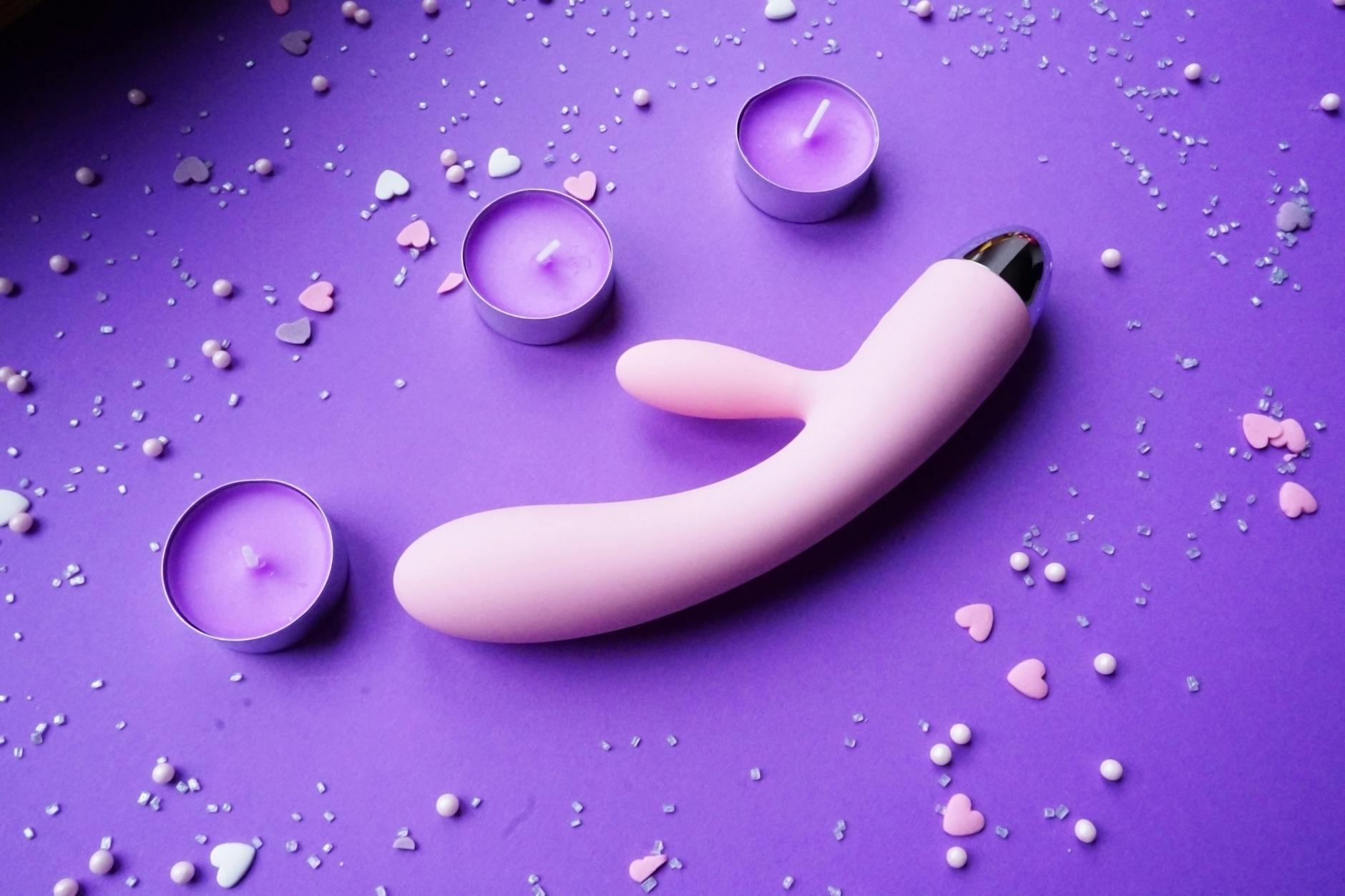
Here's what I see in my practice: couples have been together for years, maybe decades. They care about each other. They have sex. But somewhere between the beginning and now, the idea that they could explore together got filed away under "things we don't do anymore." Or worse, it never happened at all.
Most of the resistance I hear comes down to one thing: toys seem like an admission of failure. If your partner needs a lemon clitoral vibrator, doesn't that mean you're doing something wrong?
No. And understanding why is the key to turning this into one of the best conversations you'll have.
Physically, clitoral vibrators do something hands and bodies alone cannot do. A lemon sucker uses gentle suction and rhythm to stimulate the clitoris in a way that mimics what our hands literally cannot replicate with consistent pressure. This isn't about your partner needing "more" from you. It's about accessing a kind of pleasure that requires a specific tool. Same reason we use a whisk instead of a fork to make meringue.
But the deeper thing? Toys remove performance pressure from sex. When one partner is responsible for making the other person come, the weight lands heavily. The focus narrows. The anxiety builds. Adding a tool that does that job shifts the energy entirely. Suddenly you're not performing for each other. You're playing together.
I've worked with dozens of couples who brought toys into their intimate life, and the pattern is remarkably consistent. Here's what shifts.
Permission replaces pressure. When you're both present and a tool is doing the stimulation, suddenly you can touch, kiss, talk, and move together without the constant calculation of "am I doing this right?" You can be present instead of performing.
Novelty doesn't feel like rejection. If you've been having the same kind of sex for ten years, adding a lemon clitoral vibrator feels like exploration, not boredom. You're trying something together, which is fundamentally different from one person wanting something new because the other isn't satisfying them.
Vulnerability becomes the intimacy. The first time you introduce a toy with a partner, there's genuine exposure. You're saying: I trust you to know what turns me on. I'm comfortable enough with you to try this. That's intimacy at a deeper level than most couples reach.
Pleasure becomes mutual. A lemon sucker allows the receiving partner to focus on their own sensation while also staying connected to their partner's touch, eye contact, and presence. You're not performing for an audience. You're both inside the experience.
The conversation matters more than the toy. Here's what I recommend.
Pick a moment outside the bedroom. Not during sex, not right before. Somewhere neutral where you're both calm and clothed. The framing is everything.
Try: "I've been thinking about how we could make our sex life feel more playful. I came across this tool that I'm curious about. Not because anything's wrong. But because I think exploring together might be fun. What do you think?"
That works because it:
Frames this as collaborative, not critical
Uses the word "playful," which lowers defenses
Acknowledges that nothing's broken
Invites their input, not demands
Names what you're interested in without dumping it on them
If they're hesitant, listen. Ask what concerns them. Often it's one of a few things: "Will you still want to be intimate with me?" (Answer: yes, more probably.) "Does this mean you're not happy?" (Answer: I'm curious about more, not different.) "What if I can't figure out how to use it?" (Answer: we'll figure it out together, or we laugh and try again.)
Lower expectations. You're not trying to have the best sex of your lives. You're trying to get comfortable with a new element.
Start with foreplay as normal. When you're both aroused and things feel good, introduce the toy. The receiving partner can hold it and guide it themselves while the other partner stays present. This gives them control and removes any weird dynamic where one person is "doing something" to the other.
A lemon sucker typically works best starting at lower intensities. Let it build. Your partner can move it around and find what feels good. You can keep kissing, touching, talking. The toy isn't a replacement for you. It's another thing happening at the same time.
If it feels good, great. If it's awkward or doesn't work, that's fine too. You tried something together. That's the win. The next time will feel less new.
They report that sex feels fresher. Not because the toy is magical, but because they made space to try something new. That openness carries over. Conversations become easier. Questions feel safer.
They also notice that their partner seems more present. Less in their own head. More focused on connection.
And honestly? Many couples find that once they've crossed the threshold of bringing a tool into their sex life, other kinds of vulnerability become easier too. You've already said: I trust you with my pleasure. Everything else is smaller.
Sometimes you'll run into real resistance. Not shyness or newness, but genuine "I don't want to do this." That's valid. You can't pressure someone into exploring.
What you can do is understand why. Often the resistance isn't about the toy. It's about control, or past experiences, or feeling inadequate, or something entirely different that the toy has become a symbol for. A good conversation, or couples therapy, can untangle that.
But if one partner has expressed interest and the other has said no, the answer isn't to sneak it in. The answer is to keep talking.
Once you've brought a lemon clitoral vibrator into your intimate life, you have options. You can use it every time, or rarely. You can explore other toys, or stick with this one. You can make it playful or sensual or part of a specific kind of encounter.
The point isn't the toy. The point is that you've opened a conversation about pleasure that stays open. You've made space for curiosity. And you've done it together, which means you're building something rather than doing something at each other.
That's the difference between a toy and a turning point.
No. Your body doesn't become "addicted" to a tool the way it might to a medication. But here's what's true: if you only ever come from a specific sensation, your orgasm becomes narrower. The fix is simple. Use the toy sometimes. Use hands and touch other times. Explore different sensations. Your body stays flexible and responsive.
This is a real boundary and it's valid. But it's worth sitting with the discomfort for a minute. Where does it come from? Shame? Insecurity? Religious upbringing? Past trauma? Understanding your own resistance makes the conversation with your partner easier. You might say: "I grew up thinking toys were something other people did. I want to work through that because I want to be open with you." That's vulnerability. That's connection.
No pressure. Simultaneous orgasm is nice but it's not the goal. Often one partner will come from the toy while the other provides stimulation or presence or simply watches. That's intimate too. The goal is mutual pleasure, not synchronized pleasure.
Start small. Don't lead with the toy. Lead with curiosity about pleasure. "I'd love to explore more of what you like." "I want our sex life to feel fresher." "I've been thinking about what would make me feel more pleasure." Once that conversation is open, toys feel like a natural next step, not a random left turn.
Then you don't use it. It cost money, sure, but the real value is that you tried something together and learned something about what doesn't work for you. That's data. Plus, Hello Nancy has a return policy because not every toy works for every person.
Yes. These tools work for all bodies. The receiving partner controls the intensity and placement. There's no "right" way to use one. Your bodies don't need to fit a template.
Introducing a lemon clitoral vibrator together isn't really about the vibrator. It's about reclaiming pleasure as something you do together. It's about saying: I want to know more about what you like. I want you to feel good. I trust you with my desire. And I'm not afraid to try something new.
That kind of openness doesn't stay in the bedroom. It leaks into how you talk, how you listen, how you move through the world together. You become a couple that explores instead of settles. That asks instead of assumes. That builds instead of just maintains.