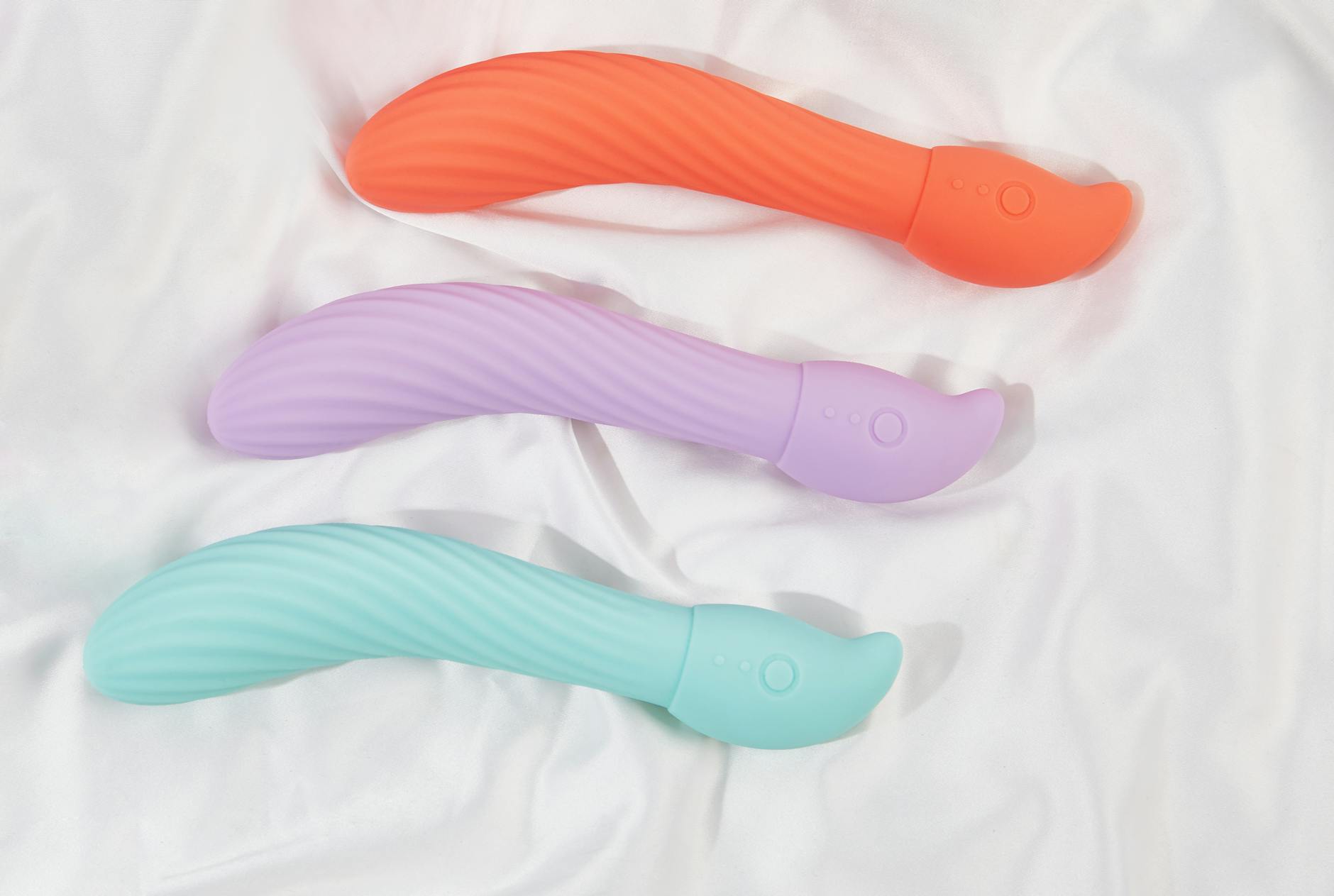
You've just pushed a human out of your body. Your pelvic floor is confused. Your tissues are swollen. And somewhere around week three, when the bleeding starts to ease and life feels slightly less like a medical emergency, you might think about sex again. Or your partner might. And then there's this question that feels too strange to ask your OB during a checkup: can I use my lemon clitoral vibrator yet?
Honestly? The timeline is more nuanced than "wait six weeks and you're good." Here's what actually happens to your tissue, when it's safe to explore, and why a lemon vibrator changes the equation compared to traditional vibration alone.
Whether you had a vaginal birth or C-section, your pelvic floor took a hit. Even with a C-section, nine months of pregnancy hormones loosened your ligaments and stretched tissue. Vaginal births add tearing, swelling, and micro-trauma that can persist for weeks or months.
The tissue inside your vagina is incredibly delicate. It's richly supplied with nerve endings and blood vessels, which is why it heals quickly but also why it's easily irritated. During the first two to three weeks postpartum, that tissue is still raw. It's not ready for pressure, friction, or stimulation. Even thinking about penetration right now would be uncomfortable.
Around week four to six, swelling starts to decrease. If you had stitches, they're beginning to dissolve (usually by week three). Blood flow normalizes. The tissue starts to feel like itself again. This is when some people feel ready to try gentle external stimulation.
Your OB said you could resume sexual activity at six weeks if you felt ready. That's true. But "sexual activity" is vague, and readiness is personal. Six weeks is when tissue is mechanically healed enough for gentle touch. It's not when sensation is normalized or when your pelvic floor has its strength back.
Your pelvic floor muscles are stretched, fatigued, and still learning how to engage again. They won't regain full function for months. Some studies suggest it takes a full year postpartum for pelvic floor strength to return to baseline. That matters because a strong pelvic floor is part of what makes pleasure feel good.
Second, hormones matter. If you're breastfeeding, your estrogen is lower. If you're on certain forms of hormonal birth control, it's suppressed. Lower estrogen means tissue is thinner and less lubricated. It's the same physiology that happens after menopause, except it's temporary.
This is where the design of a lemon clitoral vibrator becomes genuinely useful. Air-suction technology (like the Lem) stimulates the clitoris without direct friction. You're not pressing, rubbing, or creating shear force on sensitive tissue. You're creating gentle suction that engages nerves without mechanical stress.
Compare that to a traditional vibrator. Vibration creates micro-movements and friction. On postpartum tissue that's still recovering, that can feel too intense, overstimulating, or even painful. Lemon vibrators reduce friction better than vibrations alone because there's no rubbing happening.
For external clitoral stimulation, which is generally safer postpartum than any internal activity, this makes a huge difference. You can explore pleasure without the same tissue strain.
Here's what I typically see work well in my practice:
Weeks one to three: Touch only. Your partner can hold you, massage your shoulders, kiss your neck. Your pelvic floor and external tissue need rest. This is not the time to self-explore with any device.
Weeks four to six: Gentle external touch is okay if bleeding has mostly stopped and you feel emotionally ready. You might try solo external stimulation with your hands, focusing on areas away from any tearing or stitches. No devices yet.
Weeks six to eight: If healing is progressing well and you've had your postpartum checkup, gentle external device use might be possible. Start with the lowest setting on a lemon vibrator or similar gentle device. Three to five minutes maximum. Your pelvic floor is still recovering.
Eight weeks onward: You might feel more comfortable with longer sessions. Pay attention to soreness after. If you feel irritated the next day, you went too hard. Back off.
Three to six months: Many people feel significantly more ready. Tissue is more robust. Sensation normalizes. If you're not breastfeeding or you're not on hormonal birth control, estrogen is rebounding and lubrication improves.
The key word here is might. Every body is different. Tearing severity, C-section complications, pelvic floor dysfunction, and emotional readiness all affect the timeline. There's no universal "go ahead" date.
You might have been cleared physically at six weeks, but emotionally you're nowhere near ready. You're exhausted. Your body feels foreign. You're leaking urine when you laugh. You feel touched out because a baby has been on your body all day. All of that is normal, and it's not something a lemon vibrator can fix.
Sex and pleasure aren't the same thing. Right now, pleasure might be a nap. Or a shower alone. Or your partner bringing you coffee without being asked. Healing isn't linear, and reclaiming pleasure after childbirth is slower than any timeline suggests.
What helps: talking to your partner about what you need. Not "I'm not ready for sex yet," but "I need you to touch me in ways that don't involve penetration. I need you to see my body as mine first, not as something available to you." That conversation matters more than any device.
If you're still bleeding heavily at eight weeks, see your OB. If you have persistent pain, especially around the site of tearing or a C-section incision, don't push through it. If you're experiencing pelvic floor dysfunction (pain with urination, painful intercourse, inability to control urination or bowel movements), work with a pelvic floor physical therapist before trying any stimulation.
Similarly, if your emotional wellbeing is fragile right now, go slow. Postpartum depression and anxiety are real. They affect desire and sensation. Getting support for your mental health isn't a barrier to pleasure. It's a prerequisite.
When you're ready to try a lemon clitoral vibrator, start small. Literally. Use it for just a few minutes. Start on the lowest setting. Focus only on external stimulation. Let your partner know what you're doing so they understand this is about reconnecting with yourself, not about them.
Pay attention to soreness, swelling, or pain the next day. If you feel irritated, you were too aggressive. That's useful information. Back off and try again in a week.
If you feel good? Gradually you can extend the session. Build back slowly. Your pelvic floor will tell you when it's ready for more.
The goal here isn't to "get back to normal" sex as fast as possible. It's to rebuild a relationship with your own pleasure on your terms, with your body's healing timeline, not someone else's schedule.
Gentle external clitoral vibrators are generally safe from week six onward if healing is progressing well and you've been cleared by your OB. A lemon vibrator is particularly gentle because it uses suction instead of friction. Start at week eight or later if you're being cautious.
Not if you're using them correctly on external tissue only. A lemon clitoral vibrator stimulates the clitoris, which sits outside the vaginal opening. As long as you're not directing pressure into any tearing site, suction-based stimulation is gentler than friction-based vibration. That said, if you have active tearing or stitches, wait until they're fully healed before trying any device.
Breastfeeding lowers estrogen, which means tissue is thinner and more easily irritated. You can use a lemon vibrator, but you might find it feels more intense or uncomfortable than it would if you weren't nursing. Use the gentlest setting and lots of external lubrication. This usually resolves once you stop breastfeeding or your hormones rebalance, often around three to four months postpartum.
Completely normal. Swelling, nerve irritation, and hormonal shifts all dull sensation temporarily. Some people report a year or more before sensation fully returns, especially after difficult deliveries. If numbness persists beyond six months, mention it to your pelvic floor physical therapist. Typically it resolves on its own.
Tell them the truth. "My body is still healing. When I'm ready, you'll know." Set a specific conversation date (like two weeks) to check in again. In the meantime, offer what you can give: hand-holding, kissing, cuddling. Your pleasure matters as much as theirs. If they pressure you, that's a separate conversation worth having with a couples therapist.
Yes, since a C-section doesn't involve vaginal tissue trauma. Your incision site needs to stay undisturbed, but external clitoral stimulation is safe once your incision is closed and cleared by your surgeon. Hormonal recovery is similar to vaginal birth, so the timeline for sensation and lubrication is comparable.
Six weeks. Eight weeks. Six months. None of these numbers matter if they don't match your body and your feelings. Reclaiming pleasure after childbirth is personal work, and it often requires patience that feels unfair when you're already exhausted.
A lemon vibrator can be a useful tool when you're ready. It's gentler than traditional vibrators because it eliminates friction. But the more important tool is communication with your partner, honesty with yourself, and permission to take whatever timeline your body needs. If you're struggling with reconnection as a couple during this transition, talking to a relationship counselor can help frame the conversation in ways that strengthen your connection instead of creating pressure. That foundation matters more than any device.