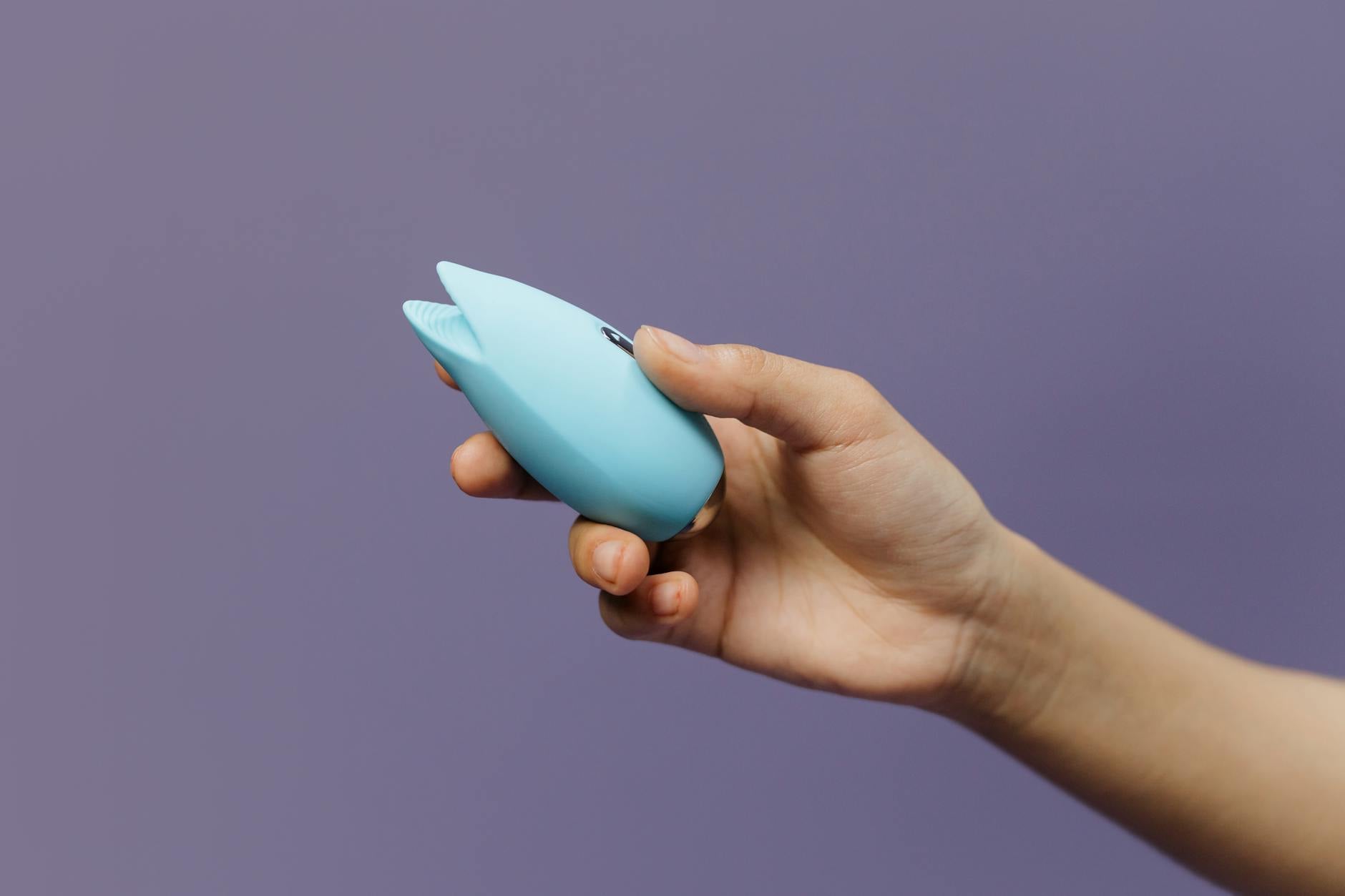
How Lemon Vibrators Help Long-Distance Relationships Stay Connected
The part no one talks about: how clitoral vibrators become a bridge between time zones, closing the physical distance that threatens emotional closeness.
Long-distance relationships require intentionality in ways that local ones don't. You're managing time zones, scheduling calls, and trying to keep emotional connection alive when physical touch is off the table. For most couples, sex becomes either a forgotten topic or an awkward video call that neither person really wants to have. Here's the thing: lemon vibrators change that dynamic entirely.
When you can't physically be together, sex often stops being part of the relationship at all. It's not that you stop wanting it. It's that the logistics feel impossible. You're tired. The timing is bad. One of you has had a rough day and isn't in the mood. The distance makes spontaneous intimacy impossible, and planned intimacy can feel mechanical.
But here's what research on long-distance couples actually shows: the ones who maintain a sexual connection have better overall relationship satisfaction, lower breakup rates, and stronger emotional bonds when they do reunite. Sex isn't frivolous. It's a form of communication. When distance takes that off the table, couples lose something irreplaceable.
Lemon clitoral vibrators solve a specific problem for long-distance relationships. They let both partners participate in intimacy simultaneously, even across time zones. That's not a small thing.
The first is video intimacy with a shared experience. You're both present, both participating. One partner uses a lemon vibrator (or another device from Hello Nancy) while the other watches and touches themselves or a partner if they have one nearby. The key difference from standard phone sex is that both people are actually experiencing pleasure in real time. There's less of a performer-audience dynamic and more of a mutual experience, which changes the whole emotional tone.
The second is asynchronous pleasure. One partner records a short audio message describing what they want to do, what turns them on, what they miss about being together. The other listens later, alone, with a lemon vibrator. This works surprisingly well for couples with wildly different schedules. No one's waiting up. No one's tired. Both people get to be fully present in their own experience, which often leads to more authentic arousal and better orgasms than rushed video calls do.
The third is planning. You mark time zones on a calendar and agree that Tuesday at 10 p.m. their time, 3 p.m. yours, is your time. You both prepare. You both know what's coming. Anticipation is half the experience, and when you're long-distance, anticipation becomes one of your best tools.
Let's be honest: video sex with someone far away has a learning curve. Here's what I tell couples.
First, test your tech before you get intimate. Video lag is the enemy of arousal. Make sure your connection is solid and that you're not going to freeze mid-moment. Second, agree on boundaries beforehand. Are you recording anything? Who has access? What happens if someone gets interrupted? These conversations are awkward, but they're infinitely less awkward than figuring it out in the moment.
Third, get the physical setup right. You both need privacy, obviously, but you also need to be comfortable. That means having lube nearby, having tissues nearby, having water nearby. One partner should have the camera positioned in a way that works for them, not in a way that's uncomfortable. If you're using a lemon vibrator or another clitoral device, you want your hands free to hold the camera or touch other parts of your body. Test positions before you commit to them.
Fourth, remember that this is still conversation. The best remote intimate experiences I've seen between long-distance couples happen when there's actual talking happening. What feels good? What are you thinking about? What do you miss? When you combine physical pleasure with emotional communication, something shifts. It stops feeling like sex and starts feeling like real connection.
Here's what catches couples off guard: sometimes remote intimacy feels harder than no intimacy at all. Because it highlights what you're missing. You're literally watching your partner experience pleasure without being able to touch them. That can be painful.
I talk to couples about reframing this. The pain means the connection matters. It means the distance is temporary, even if it doesn't feel that way. And when you use that pain intentionally, when you let it fuel anticipation instead of just sadness, something changes.
One thing I've noticed: couples who use lemon vibrators and other intimate devices while long-distance often report that their reunions are significantly better. The intimacy doesn't need to restart from zero. Your bodies already remember each other. Your pleasure patterns haven't gone dormant. When you finally get to be together again, the connection is more immediate and more intense.
Another thing: masturbation together (even via video) often leads to conversations about pleasure that couples never have otherwise. What turns you on? What have you always wanted to try? What feels good about your own body? These conversations are huge for long-distance relationships because they keep you feeling known to each other, even from a distance.
The hardest part of long-distance intimacy isn't technical. It's emotional.
You have to be willing to be vulnerable with someone you can't touch. You have to voice desire knowing that the other person can't immediately act on it. You have to let yourself be watched while you're receiving pleasure, which for many people (especially women) triggers shame or self-consciousness that they don't experience in private.
But here's what changes when you work through that: you stop needing distance to have honest conversations about sex. You stop treating intimacy as something that only happens when you're physically together. You start treating it as a form of ongoing communication, which it is.
I've seen couples use lemon clitoral vibrators and other devices as a way to practice asking for what they want. To practice saying "harder," "softer," "more," "not right now." These conversations happen in real time during shared experiences. Then when they're finally reunited, they're not suddenly starting from scratch. They're continuing conversations they've already been having.
There's a limit to what a vibrator can do, and it's important to know where that limit is.
If long-distance is making you feel completely disconnected from your partner, that's not something a lemon vibrator fixes. If you're having fundamental conflicts about the timeline for closing the distance, or about whether this relationship is worth the sacrifice, those need real conversations and possibly couples therapy.
What a vibrator can do is keep one component of your relationship alive while you're figuring the rest out. It's not a substitute for fixing relational problems. It's a tool for maintaining intimacy in a situation that's genuinely hard.
I also want to note: if remote intimacy feels coercive to either partner, stop. Don't do it because you think you have to. Long-distance already requires sacrifice. You shouldn't add unwanted sexual experiences on top of that.
Here's something I've observed over years of working with long-distance couples: the ones who maintain sexual connection during the separation have noticeably better physical and emotional reunions.
Their bodies aren't tense and unfamiliar. Their desire isn't rusty. They haven't stopped communicating about what feels good. When they finally get to be together, the intimacy feels like a continuation, not a restart.
That's not to say you have to use lemon clitoral vibrators or any devices at all to maintain a healthy long-distance relationship. But it does mean that ignoring sex for months while you're apart comes with a cost. And that maintaining some version of intimacy, even from a distance, is worth the vulnerability and effort required.
Absolutely. But you'll want to schedule it intentionally rather than trying to make it spontaneous. Pick a time that works for both of you when you're both alert and not rushing anywhere. Time zone differences actually make planning even more important, which has the side benefit of building anticipation.
That's completely valid. Some people find video sex disconnecting rather than connecting. Have an honest conversation about what would feel intimate to both of you. Maybe it's sexting instead. Maybe it's audio messages. Maybe it's just phone calls where you talk about what you want to do when you're together. There are lots of ways to maintain connection.
Yes, when it's consensual and both partners want it. Research on long-distance couples shows that maintaining sexual connection reduces loneliness and increases relationship satisfaction. The key is that it has to feel mutual, not like one person is doing it to appease the other.
When you're doing it with your partner, there's shared attention and mutual vulnerability. You're watching each other. You're communicating about what feels good. You're creating a memory together. That shared experience is what builds intimacy, not the device itself.
Start with curiosity, not demand. "I miss you" is a safer opener than "let's have video sex." Ask what they're missing physically. Listen. Then say something like "I was thinking we could try something that might help with that." If they're interested, you can explore together. If they're not, that's information too, and you adjust accordingly.
Completely. Most people feel awkward the first time they do anything sexual on camera. You're managing technical stuff, you're self-conscious, you're worried about how you look. That usually passes after the first attempt. The second time is almost always easier and more enjoyable. Give yourself grace.