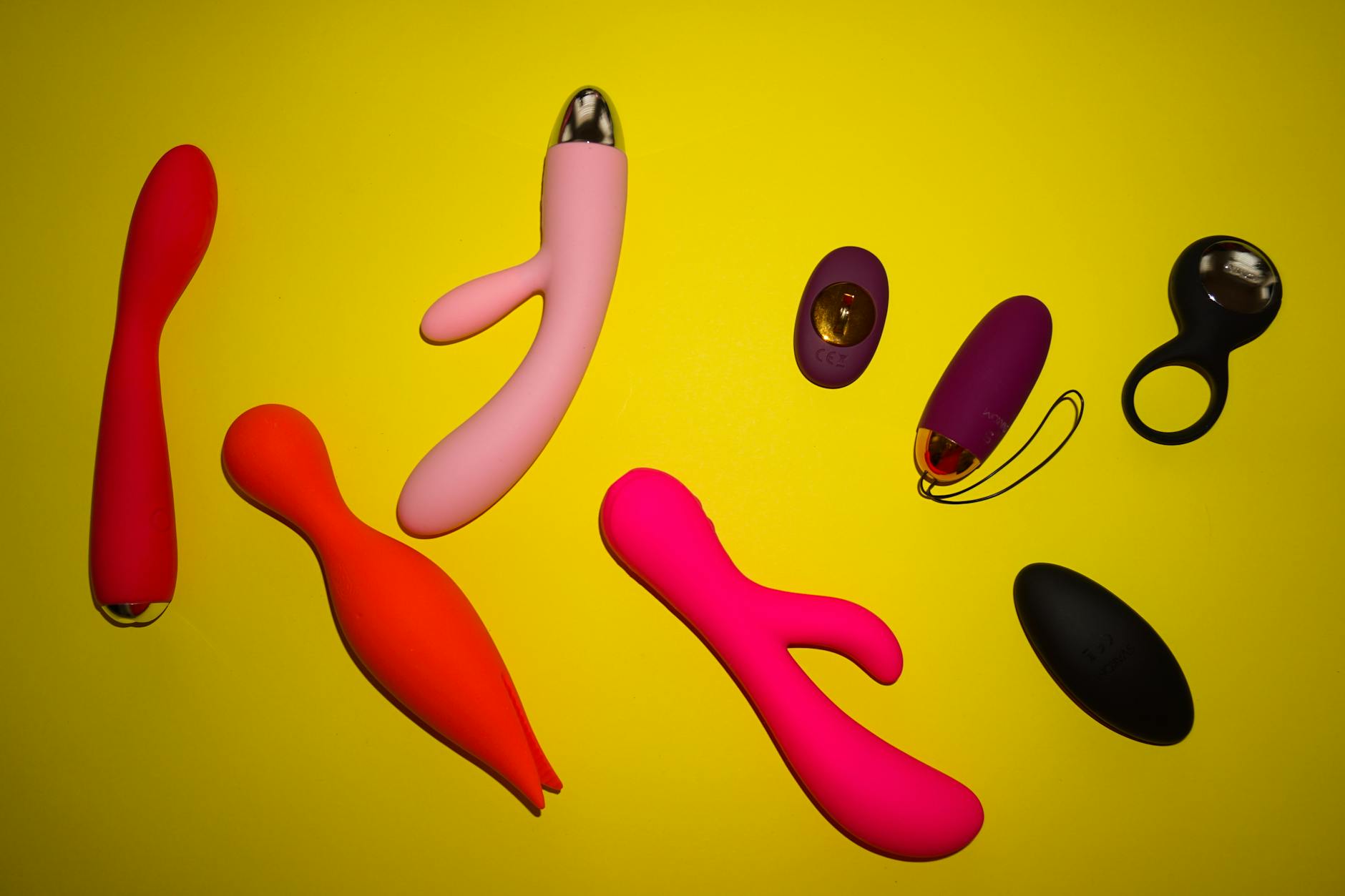
How Lemon Vibrators Help When You're Returning to Pleasure After Depression
Depression numbs desire and disconnects you from your body. Here's what happens when you're ready to reconnect, why your lemon clitoral vibrator matters more than you think, and how to pace yourself so it actually feels good.
Depression doesn't just make you sad. It disconnects you from sensation, from desire, from the part of yourself that knows pleasure is possible. Your body is still there. Your nerve endings still work. But the signal between your brain and your body gets fuzzy, and that's where everything gets confusing.
When you're depressed, sex (and solo pleasure) often becomes something you know you "should" want but don't actually feel. That gap between knowing and feeling is the hardest part. It's not laziness. It's not that you've forgotten how. It's that your nervous system is running on a flatline, and pleasure requires a signal.
What's important to know: that signal can come back. And returning to it doesn't have to mean jumping back into what felt natural before. It means starting where your body is now.
Depression essentially dims the volume on everything. Dopamine (the neurotransmitter tied to reward and pleasure) drops. Your pelvic floor tenses up from long-term stress. The pathways that used to fire quickly when you were turned on get rusty. You might notice that even when you want to feel something, your body takes longer to wake up. That's normal. It's not permanent.
This is where a lemon clitoral vibrator becomes genuinely useful. A lemon vibrator, with its suction mechanism, doesn't rely on your body generating its own momentum or sensitivity level. It works differently than friction-based toys. Instead of requiring you to be already somewhat aroused to feel good, suction stimulates the nerve endings directly, gently waking up sensation that's been dormant.
Think of it this way: your body is like a dimmer switch that's been turned down to 2. A regular vibrator might ask your dimmer to reach 6 on its own. A lemon clitoral vibrator can help you get to 4, then 5, without that demand.
Phase one: curiosity without pressure (weeks 1-2).
Start by just holding your lemon vibrator. Don't use it yet. Get familiar with the weight, the texture, the controls. Your brain needs to process that this is a tool for pleasure, not another obligation. Spend time in your own company without any goal of orgasm. This might sound silly, but after depression, you've probably been in your body in survival mode. Pleasure is a different mode entirely, and it takes a minute to shift gears.
When you do turn it on for the first time, start on the lowest setting. You might feel nothing. You might feel something weird or uncomfortable. Both are fine. You're gathering data, not auditioning for anything.
Phase two: sensation mapping (weeks 2-4).
Now explore what actually feels good, not what you think should feel good. Try the lem vibrator on different settings, different patterns, different areas. Some people who've been through depression find that their most sensitive spots have shifted. That's okay. The clitoris is wildly responsive to pressure, suction, and rhythm, but after a period of numbness, your particular sweet spot might need rediscovering.
This is also when you might notice that your body needs a lot more warm-up time than it used to. Budget 20-30 minutes if you have it. No rush. Arousal after depression is often slower to build, and that's not a sign something's wrong. It's just what your nervous system needs right now.
Phase three: integration (week 4 onward).
Once you've had a few sessions where something actually felt good, you can start thinking about pleasure as part of your recovery toolkit. Some people use lemon vibrators as part of a daily or weekly self-care practice. Others notice that reconnecting sexually with themselves makes them want to reconnect with a partner. That ripple effect is real.
Most depression survivors report that direct vibration feels too intense when they're first coming back online. It can feel harsh or overstimulating. The lem vibrator's suction-based mechanism is gentler and more rhythmic. It's the difference between someone tapping your shoulder versus gently squeezing it. Both get your attention. One feels more soothing.
Clitoral vibrators with suction also tend to create a more full-body response. You're not just getting stimulation at one point. The suction spreads the sensation, which can feel less jarring if your nervous system is still recalibrating.
The other thing: depression often makes you sensitive to sound. A lot of people don't realize how much the buzz and hum of a regular vibrator can feel irritating when you're coming out of a depressive episode. The lem vibrator is quieter, which means fewer sensory interruptions. Your body can focus on what it's supposed to be feeling.
Here's something nobody talks about clearly enough: many people feel ashamed about losing sexuality to depression. Like you've failed your partner, or yourself, or some imaginary standard of what a healthy person is supposed to want.
I want to be direct about this. Losing desire to depression is not a character flaw. It's a symptom. Rebuilding it is not about proving you're "fixed" or returning to normal. It's about meeting yourself where you actually are and creating small moments of pleasure that remind your nervous system what safety and reward feel like.
Using a lemon clitoral vibrator solo, on your own timeline, is one of the gentlest ways to do that. There's no performance, no timeline, no one watching. You get to discover what feels good at your pace.
If you have a partner, you might find that reconnecting to your own pleasure first makes partnered sex feel less pressured. You already know what turns you on again. You're not trying to figure it out live with someone else there. That's massive.
If you've been on antidepressants, some medications genuinely do blunt sexual response in ways that take time to reverse. That's a conversation for your doctor or psychiatrist, not something to white-knuckle through with a toy. Some people benefit from adjusting their dose or timing or trying a different medication. That's legitimate medical support, not weakness.
Similarly, if pleasure doesn't start returning after a few months of gentle exploration, or if there's pain involved, check in with a therapist or doctor. Sometimes what looks like lingering depression is actually something else. Sometimes you need help processing what happened during the depressive period. A good therapist who gets sexuality can help with both.
The lemon vibrator is a tool for reconnection. It's not a replacement for actual mental health care. But it can be part of a solid recovery plan alongside therapy, medication, and whatever else you need.
Some people wake up their sexuality again in 4-6 weeks. Some take months. Some find that their relationship with pleasure shifts permanently, which isn't bad, just different. There's no "supposed to be" here.
What I've seen work for people is treating pleasure like you'd treat any other part of recovery from depression: with patience, consistency, and kindness to yourself. A few minutes with your lemon clitoral vibrator, or with a partner, or just sitting with your own body and noticing sensation, can slowly rewire your nervous system back into a place where pleasure feels possible again.
You're not broken. You're rebuilding. And that's actually a good place to start.
There's no fixed timeline. Some people notice small shifts in sensation within 2-3 weeks. For others it takes 2-3 months. It depends on how long the depression lasted, what medication you're on, your baseline sensitivity, and honestly, how much you're practicing reconnection. The more gentle attention you pay to your body, the faster the signals usually come back. This is where consistent use of something like a lemon vibrator can help. You're essentially re-training your nervous system to recognize pleasure as safe.
Some can, but it's not usually permanent. Certain SSRIs can blunt sexual response, and that often improves when you switch medications or adjust your dose. If you've been on antidepressants for a while and sexuality feels muted, that's worth bringing up to your prescriber. There are options. Some people find that using a lemon clitoral vibrator on a higher suction setting helps compensate for medication-related numbness while you're figuring out the medication side of things.
That's completely valid. A lot of people rebuild their sexuality solo first because there's no performance pressure, no one else's timeline. A lemon clitoral vibrator is perfect for that because it's just for you. No one needs to know. You don't have to explain or justify it. You're just reconnecting with your own capacity for pleasure, which is a radical act of self-care after depression.
Very normal. Some people cry. Some people feel a rush of gratitude. Some feel grief about the time they lost to depression. All of those are real responses. Your body is essentially grieving and celebrating at the same time. It's okay to feel a lot of feelings. That's actually a sign your nervous system is waking up.
That's completely your call. Some people find that sharing this journey strengthens the relationship because it opens up communication about sexuality. Others prefer to rebuild solo first, then reintegrate with a partner once they feel more confident. Neither approach is wrong. Do what feels right for your relationship and your privacy. If you do want to explore with a partner eventually, having done some solo exploration with your lemon vibrator means you already know what feels good, which takes pressure off both of you.
That's also normal. Your body might need more time. Start with even shorter sessions. Try different times of day. Some people find that morning is better than night. Some need to be more rested. Some need to create a specific environment that feels safe and calm. Don't push it. The point is reconnection, not achievement. Even five minutes of gentle exploration counts. Your body will signal when it's ready to feel more.
Coming back to pleasure after depression is a form of healing. It's you telling your body that you're safe enough to feel good again. A lemon clitoral vibrator can be part of that conversation, but so can patience, so can boundaries with partners, so can therapy, so can rest. If you want to talk through what reconnecting might look like for you, reach out. We're here for that conversation.