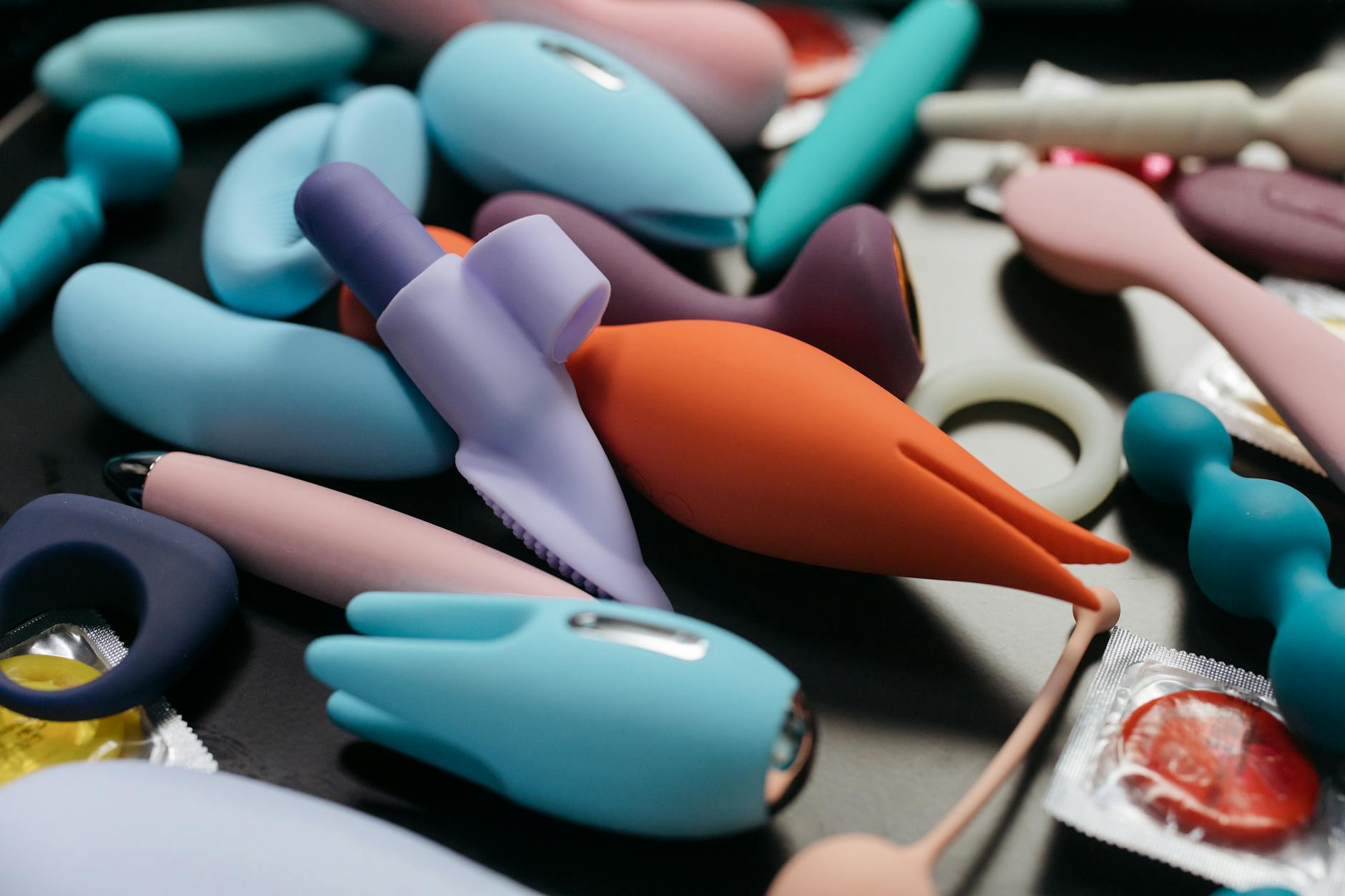
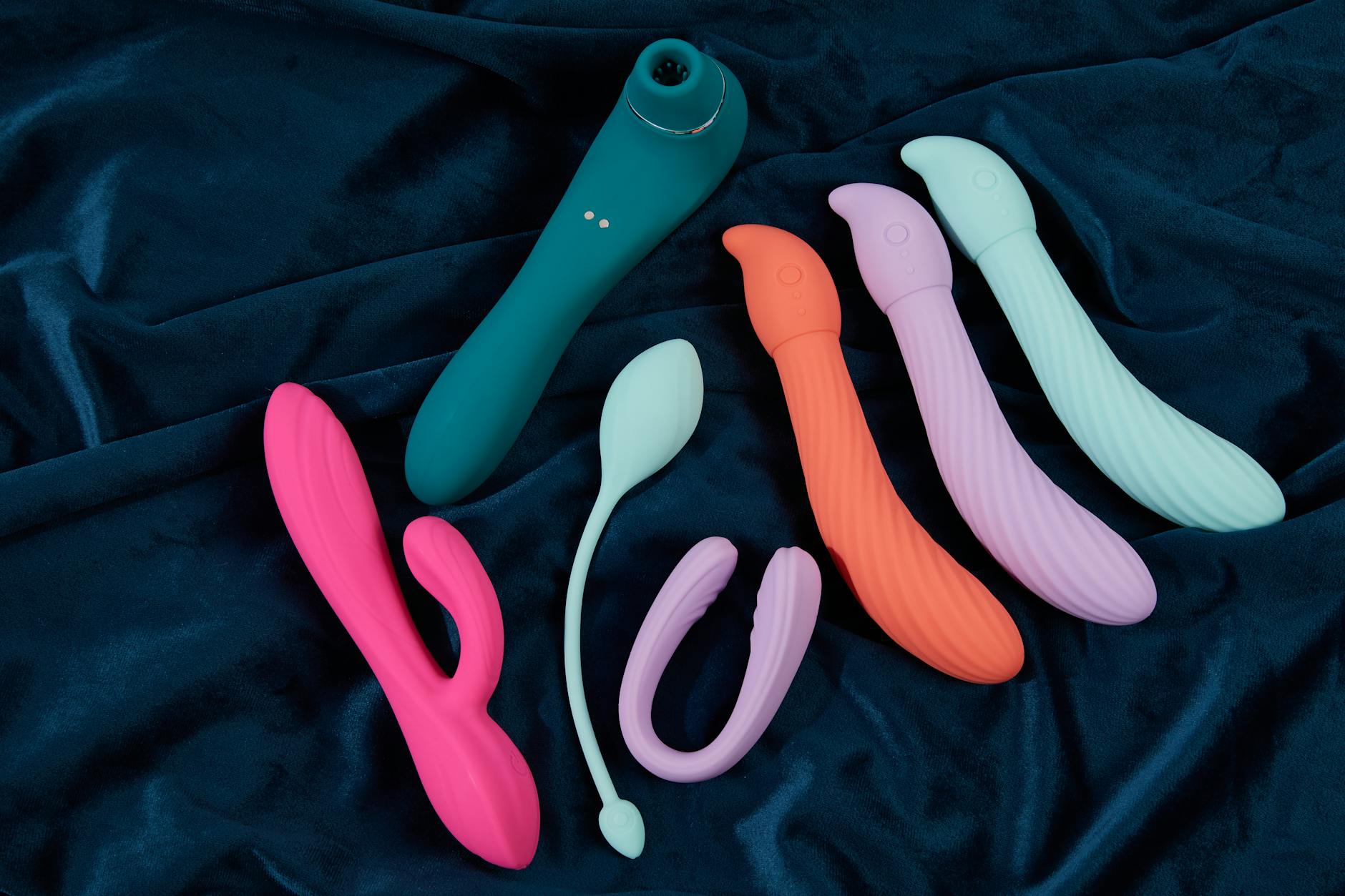
Trauma doesn't just live in your mind. It lives in your body. When your nervous system has learned that touch isn't safe, arousal becomes impossible, no matter how much you want it. Your body isn't broken. It's doing exactly what it's supposed to do: protecting you.
But here's what gets missed in most conversations about healing: rebuilding arousal isn't about forcing yourself through pain. It's about gradually teaching your nervous system that pleasure is possible again. And that process often works better with the right tools.
Most vibrators demand direct friction. That can feel invasive, especially if your nervous system is already in defense mode. Lemon vibrators, which use gentle suction rather than buzzing, create a fundamentally different sensation.
With suction, you get stimulation without penetration. You get intensity you can control completely. You get the ability to start at pattern one and barely feel it, then slowly increase. That level of control is not a luxury for trauma survivors. It's the foundation of healing.
The clitoral tissue itself has thousands of nerve endings. A lemon vibrator reaches those nerves without the jarring intensity of traditional vibrators. For people rebuilding a sense of safety in their body, that distinction changes everything.
Trauma creates what therapists call hypervigilance. Your amygdala (the brain's alarm system) stays activated. Your vagus nerve, which governs the parasympathetic nervous system (the one that says "it's safe, relax"), gets stuck in a defensive position.
Arousal requires the opposite state. Your parasympathetic nervous system needs to be engaged. Your body needs to believe that right now, in this moment, you are safe.
This is why slow, predictable stimulation works better than sudden intensity. This is why being able to control the pressure, speed, and sensation yourself matters more than having someone else decide. With a lemon vibrator, you're in charge. You decide when to increase the pattern. You decide when to pause. That agency alone can shift your nervous system.
Trauma survivors often describe sensation as unpredictable. A touch that feels okay one day triggers a panic response the next. This is normal. The nervous system is still in learning mode.
When you're ready to explore pleasure again, start small. Intentionally small. Many of my clients begin by using a lemon vibrator fully clothed, just feeling the vibration through fabric. No pressure to feel anything. No expectation of arousal. Just sensation, at a distance.
Then, over days or weeks, they move closer. They place it over underwear. They use it for a minute, then stop. They do this repeatedly until their body learns that this particular sensation is safe and under their control.
This is called "titration" in trauma therapy. You're literally rewiring the nervous system's response, one small exposure at a time.
A standard vibrator is loud, intense, and all-or-nothing. A lemon clitoral vibrator offers something fundamentally different. The suction sensation is gentler. The lowest settings are whisper-quiet. The patterns progress gradually, so you never feel jolted into intensity.
Many trauma survivors tell me that the first tool they can tolerate is something with options. Something where pattern one feels like barely anything, but pattern three is a little more, and pattern six is noticeably more. That incremental control lets your nervous system adjust at its own pace.
With lemon adult toys like the Lem vibrator, you're also working with something designed for precision. It targets the clitoris without spreading stimulation across a wide area. For people whose nervous system is still learning to trust sensation, that focus is grounding. It tells your brain exactly what's happening.
Some trauma survivors are ready to explore with a partner. Others aren't, and both are completely valid.
If you're ready, lemon sexual toys can actually help. A partner watching you explore yourself with a vibrator learns what brings you pleasure. You get to stay in control while showing them. And they get to understand your nervous system without any guesswork.
Many couples find that starting with solo play, then gradually inviting a partner to be present, rebuilds trust in the body. The vibrator becomes a bridge. A thing that's just about sensation and safety, with no pressure attached.
If you're not ready for that, solo exploration with a lemon vibrator is its own complete practice. Rebuilding pleasure alone is legitimate healing.
If you're working through trauma, a trauma-informed therapist matters. So does a trauma-informed sex therapist if you have access. These professionals understand the nervous system piece, not just the emotional piece.
You don't need permission to explore pleasure again. But having professional support while you do it changes the timeline and the depth of healing. Especially if memories surface during exploration, having someone trained in that response makes a huge difference.
If you're ready to start, here's what I actually recommend to clients:
Week one. Use the vibrator fully clothed, over underwear, for 30 seconds at pattern one. That's it. Notice what you feel, physically and emotionally. Don't expect anything. Just observe.
Week two. Same thing, but move directly on skin, underwear off, for one minute at pattern one. Stop. Notice.
Week three. Add pattern two. Use it for a few minutes. See if you can stay present with the sensation without leaving your body.
Week four and beyond. Let your nervous system guide you. Some people stay at lower patterns for months. Others progress faster. Neither is better. You're rebuilding something precious. There's no timeline.
Throughout this, if you feel triggered, you stop. That's not failure. That's your body telling you it needs more time. Healing isn't linear. Your lemon vibrator will be there when you're ready again.
Trauma tried to take something from you. It told your nervous system that your body wasn't safe. Rebuilding pleasure isn't about returning to how you were before. It's about building something new. Something you control. Something that belongs entirely to you.
Lemon clitoral vibrators like the Lem can be part of that. They're tools. They give you options. They let you stay in charge. And over time, as your nervous system learns that sensation can be safe and chosen, they can help you rebuild a relationship with arousal that feels true.
Your pleasure matters. Not because anyone else benefits from it. Because you deserve to feel good in your own body again. That's the whole point.
There's no single timeline. For some people, it's months. For others, it's years. The nervous system heals when it's ready, not when you want it to. Working with a trauma-informed therapist can help you understand your particular nervous system and what it needs. The important thing is to move at a pace that feels safe, not at a pace that feels pressured.
Yes, but with intention. PTSD changes how the body responds to stimulation, and loud, intense sensations can sometimes trigger a stress response. Lemon vibrators with gentle, quieter patterns and full user control are often better tolerated than traditional vibrators. Start slow, stay present, and stop immediately if you feel triggered. Having a therapist's support makes this safer.
Numbness is a common trauma response. Your nervous system might be protecting you by dampening sensation. This is normal and doesn't mean you've done anything wrong. Continue the gentle, slow approach. Numbness can gradually shift as your nervous system learns that sensation is safe. If it persists for months, talk to your therapist about it. Sometimes additional support helps.
Absolutely. Solo exploration can actually be safer because you're not managing anyone else's needs or feelings. You can focus entirely on your own nervous system and what feels tolerable. Many trauma survivors find that reclaiming solo pleasure is a crucial step before partnered intimacy. There's nothing wrong with making it a solo practice indefinitely, either.
Healing too hard usually feels like forcing. You're pushing through discomfort or numbness because you think you should be further along. Healing at the right pace feels like curiosity mixed with caution. You're exploring gently, staying present, and honoring what your body tells you. If you're uncertain, that's the moment to slow down and talk to your therapist. Trust that pace more than any timeline.
Your readiness is the only timeline that matters. A partner who respects your healing will wait. If someone is pressuring you to move faster than your nervous system can tolerate, that's a red flag about the relationship itself, not about your healing. You get to take years if you need to. A good partner celebrates that you're healing at all, not how quickly you're doing it.